Introduction
Brazilian cuisine is a vibrant tapestry woven from varied cultural impacts, local ingredients, and unique food preparation methods. When one thinks of Brazil, images of sizzling meats on the grill might come to mind-- nevertheless, churrasco is associated with Brazilian society. Nonetheless, Brazilian food preparation is a lot more than just barbecued meat. It's an elaborate blend of Indigenous, African, Portuguese, and immigrant influences that develop a cooking landscape as rich and varied as the nation itself.
In this comprehensive exploration labelled "Past the Grill: Discovering the Rich Heritage of Brazilian Food preparation," we'll journey through the vibrant world of Brazilian dishes, customs, and strategies. We'll explore whatever from the historical origins that shaped these tastes to modern-day interpretations found in fashionable Brazilian restaurants across the globe.
Brazilian Cuisine: An Overview
A Melting Pot of Cultures
Brazilian food is not just about food; it's a reflection of Brazil's history and its people. The origins can be mapped back to Native tribes who cultivated crops like cassava and corn. Later, with colonialism came Portuguese influence, bringing brand-new active ingredients and cooking strategies. African servants introduced spices and cooking styles that would transform Brazilian eating habits forever.

Key Components in Brazilian Cooking
Understanding Brazilian cuisine needs familiarity with its staple ingredients:
- Rice and Beans: A timeless mix often served daily. Cassava (Manioc): A functional root vegetable utilized in various kinds such as flour or fried chips. Meat: Beef is especially prominent because of its solid association with churrasco. Seafood: Coastal regions add an abundance of fish and shellfish. Fruits: Exotic fruits like acai, guava, and enthusiasm fruit play vital functions in both full-flavored recipes and desserts.
The Role of Churrasco in Brazilian Culture
Churrasco: Greater than Simply Barbecue
While numerous recognize Brazil for its churrasco-- a design of barbeque where numerous cuts of meat are skewered and barbequed over open flames-- it's vital to comprehend that it's a get-together rather than just a meal. Pals and family gather around the grill (or churrasqueira) to enjoy not only food but also camaraderie.
The Art of Cooking Meat
The prep work entails choosing high-grade cuts like picanha (leading sirloin) or fraldinha (flank steak), experienced just with coarse salt. The slow cooking process boosts tastes while making certain tenderness.
Regional Variations in Brazilian Cuisine
Southeast Brazil: The Heartland of Flavor
In locations like São Paulo and Rio de Janeiro:
- Dishes frequently feature fusion elements like Italian pasta integrated into conventional recipes. Feijoada-- a black bean stew with diverse meats-- is a characteristic meal showing both African heritage and neighborhood tastes.
Northeast Brazil: A Taste Explosion
The Northeast region celebrates bold flavors:
- Dishes like acarajé (black-eyed pea fritters filled with shrimp) showcase Afro-Brazilian influences. Tropical ingredients control right here; assume coconut milk, dendê oil (palm oil), and fresh seafood.
South Brazil: European Impacts Abound
The South flaunts European-inspired recipes:
- Polenta and German sausages show Italian immigration. Chimarrão (a traditional companion beverage) acts as a social symbol.
Iconic Recipes Beyond Churrasco
Feijoada: The National Dish
Feijoada stands out as Brazil's cherished nationwide meal:
- Originating from slave kitchen areas in early american times, it's made from black beans simmered with different cuts of pork.
How to Serve Feijoada?
Typically offered with:
Steamed rice Orange slices Collard greens Farofa (toasted cassava flour)Moqueca: A Seafood Delight
This standard fish stew highlights seaside tastes:
- Made with coconut milk, tomatoes, onions, garlic, cilantro, and peppers; moqueca is frequently offered with rice or farofa for included texture.
Sweets & Desserts in Brazilian Cooking
Brigadeiro: The Chocolate Truffle
Every celebration includes brigadeiros-- chocolate truffles made from condensed milk rolled in sprinkles:
Why are Brigadeiros So Popular?
These wonderful attacks epitomize youth celebrations across Brazil-- from birthday parties to festivals.
Pudim: The Flan-like Dessert
Pudim is one more https://raymondqtsg456.theglensecret.com/the-ultimate-overview-to-brazilian-cuisine-what-to-expect-at-a-standard-steakhouse treasured reward:
- This velvety caramel flan has come to be identified with comfort food for numerous Brazilians.
Beverages That Enhance Brazilian Cuisine
Caipirinha: The National Cocktail
Made mainly from cachaça (sugarcane spirit), lime juice, sugar, and ice:
What Makes Caipirinha Unique?
Its refreshing taste makes it a best accompaniment to spicy recipes or barbequed meats.
Guaraná Soft drink: A Refreshing Choice
Originating from the Amazon Rain forest:
- Guaraná soda provides a sweet yet tasty different beverage that sets well with any meal.
Cooking Strategies Unique to Brazilian Cuisine
Slow Food preparation Methods
Many typical dishes are prepared slowly to enable tastes to blend with each other magnificently-- believe feijoada simmering for hours!
Grilling Strategies Beyond Churrasco
Beyond simply grilling meat over flames:
What Various other Strategies Are Used?
Roasting vegetables on skewers or utilizing indirect heat allows for intricate flavor accounts without shedding moisture.
Tips for Experiencing Genuine Brazilian Food at Home
Selecting Quality Ingredients
Seek out local markets for fresh produce-- the significance of authentic food preparation begins here!
Learning Key Recipes
Invest time right into understanding foundational dishes like feijoada or brigadeiro; when you have these down pat-- you can branch off right into even more intricate dishes!
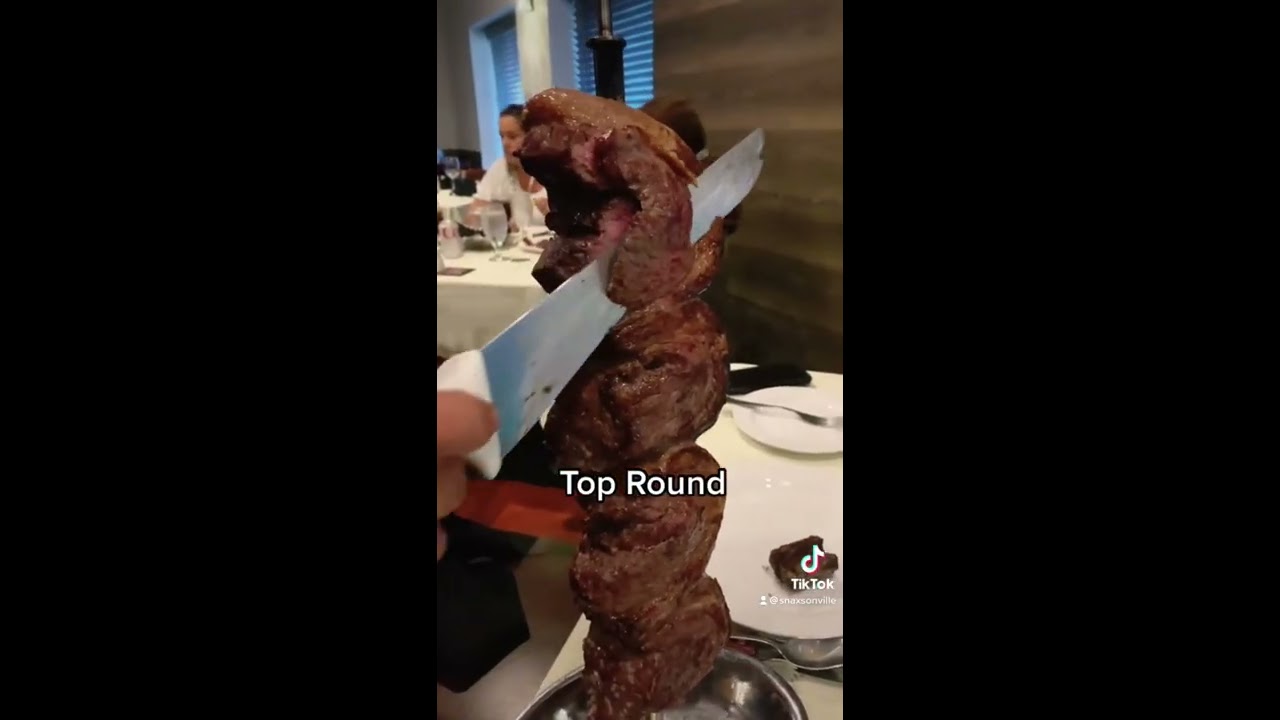
Explore Top Brazilian Dining establishments Worldwide
When craving authentic flavors outside Brazil:
Research local facilities focusing on regional cuisine. Look for reviews highlighting credibility; diners should go crazy about home-cooked flavors!FAQs About Brazilian Cuisine
What defines Brazilian cuisine?- It's identified by varied social influences integrating native components mixed flawlessly over centuries.
- Absolutely! Many staples can be adjusted such as using beans or vegetables instead of meat-based components.
- Yes! Many versions use naturally gluten-free active ingredients making it ideal for those preventing gluten.
- Muddle fresh limes with sugar before including cachaça over ice after that mix gently!
- Don't lose out on brigadeiros-- they're legendary! Or go with pudim if you choose something creamier!
- Definitely! Many dining establishments nowadays offer plant-based choices inspired by classic recipes providing specifically in the direction of vegan diets!
Conclusion
Exploring beyond the grill reveals a remarkable culinary trip via Brazil's abundant heritage-- each dish tells stories soaked deep within practice while advancing along with contemporary tastes around the world today! From modest beginnings rooted within indigenous cultures crossing paths throughout generations-- it's not surprising that why this dynamic cuisine proceeds fascinating hearts everywhere!
With every bite taken stimulates memories shared amongst household celebrations commemorating love relationship giggling maybe even nostalgia-- all completed beautifully within each delightful nibble relished over laughter-filled conversations throughout life's most treasured moments!